Qualifications · Station 2 · Issued for review
Statement of Qualifications.
Summary
The record, stated for procurement

Baseline Integrity Engineering is a pipeline integrity firm led by Matthew Brown, PE, principal engineer: more than fifteen years in integrity management for more than 30 pipeline operators, across 49 CFR Parts 192 and 195, with 10+ integrity management programs audited or revised.
The practice's forward offer is deliberately narrower: three solution areas. All prior engagements are the principal's personal work history as an employee of Lake Superior Consulting (2011-2020) and Tetra Tech (2020-2026) - see the attribution sheet.
- Principal
- Matthew Brown, PE
- PE license
- Minnesota #53122, active, 2015
- Prior PE licensure
- ND, MI and MO, since lapsed
- PMP
- PMI #1844478, active, 2015
- API 570
- Piping Inspector #126187, 2025
- Education
- BS Mechanical Engineering, UND, 2011 · MBA, UND, 2021
- Operators served
- More than 30 pipeline operators
- Regulatory scope
- 49 CFR Part 192 · 49 CFR Part 195
Background
The engineer, and why this firm
Matthew Brown, PE joined Lake Superior Consulting in 2011 as a corrosion engineer and grew through every role in its integrity practice to program director for integrity management - six direct reports, twenty-five people under him at peak, and a new Nashville office he spearheaded from hiring through successful start-up.
He also watched the firm change hands around him: privately owned when he joined, then private-equity owned, then a subsidiary of Shawcor, a public company. Living those transitions from the inside - what each owner measured, what each one changed - is why the continuity a consultant provides an operator became his professional thesis.
At Tetra Tech from 2020, he led asset integrity - growing the team from himself to five, with zero attrition. In 2026 he established Baseline Integrity Engineering to do the work the way fifteen years of watching programs succeed - and drift - says it should be done: with the principal engineer on every engagement.
He developed KONDWIT, which he built to make the pipeline safety regulations easy for anyone to understand. It is the working tool of pipeline operators' compliance teams - and the place where this practice reads the rule against your system.
Capabilities
Three solution areas
Pipeline Safety Compliance
The rule read against a particular system, worked in the KONDWIT platform.
Integrity Management Program Governance
The written program as a living document - carried under responsible charge - and the audit posture behind it.
In-Line Inspection
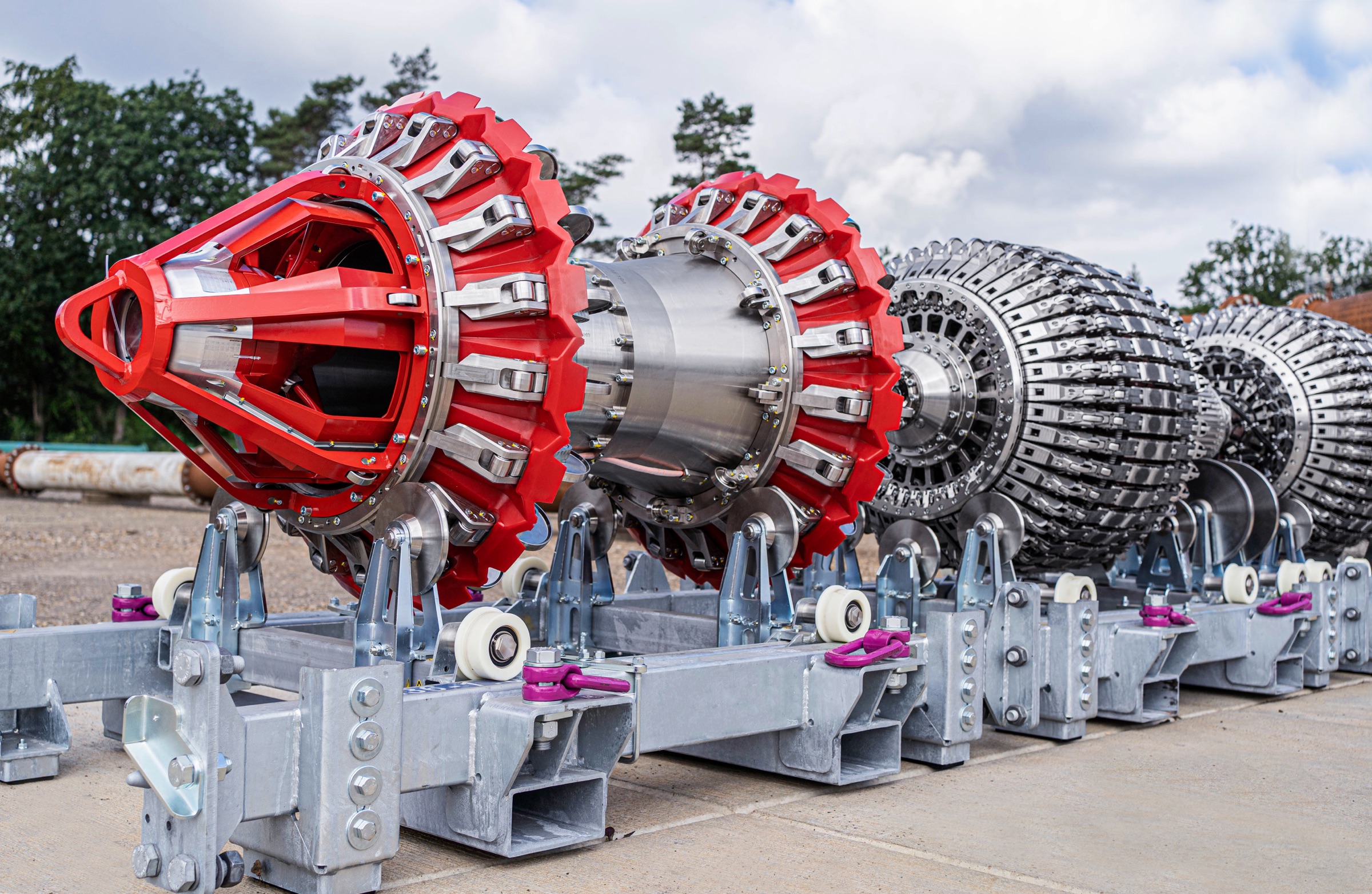
A full-service in-line inspection suite: planning, tool and vendor selection, run oversight, and the engineering read of what the tool returns.
KONDWIT— Enterprise SaaS pipeline safety compliance platform, where the compliance area is worked.
Each area is worked in full on the Solutions page - the problem it answers, the plan, and the references behind it.

Case study · 2022-2026
Midstream hazardous liquid operator
The engagement began with one small, unsolicited request and a dinner; and turned into a noncompetitive partnership built on trust with a lean, fast-growing operator that had put roughly 1,000 miles of West Texas crude gathering in the ground since 2014, integrity run essentially by a single manager. Within a year it grew from “review our procedures and records” into full responsibility for the IMP program governance: here are the keys, keep us in compliance. Four years later a PHMSA TRRC audit was passed with no violations and flying colors.

Several findings at the 2022 audit. Zero at the 2026 follow-up.
Railroad Commission of Texas audits, a West Texas hazardous liquid systemIn responsible charge of program compliance for the entire period between - through the shift from reviewing records to holding the keys, roughly 500 miles of system growth, and its acquisition by a larger operator. One small team with holistic ownership of the whole program, anticipating what the operator needed rather than working task tickets.
- 2022-06Audit at the start of the engagement: several records findings, none procedural.
- 2022The engagement shifts from reviewing records to full responsibility - here are the keys, keep us in compliance.
- 2023-11The rewritten integrity management plan is finalized; the GIS and as-built data are remediated.
- 2024-25Four consecutive annual risk-assessment cycles; the system grows past 1,500 miles and is acquired by a larger operator.
- 2026-05Follow-up audit, five days on site: zero alleged violations, in any category.
Case study · 2013-2019
Gas transmission operator
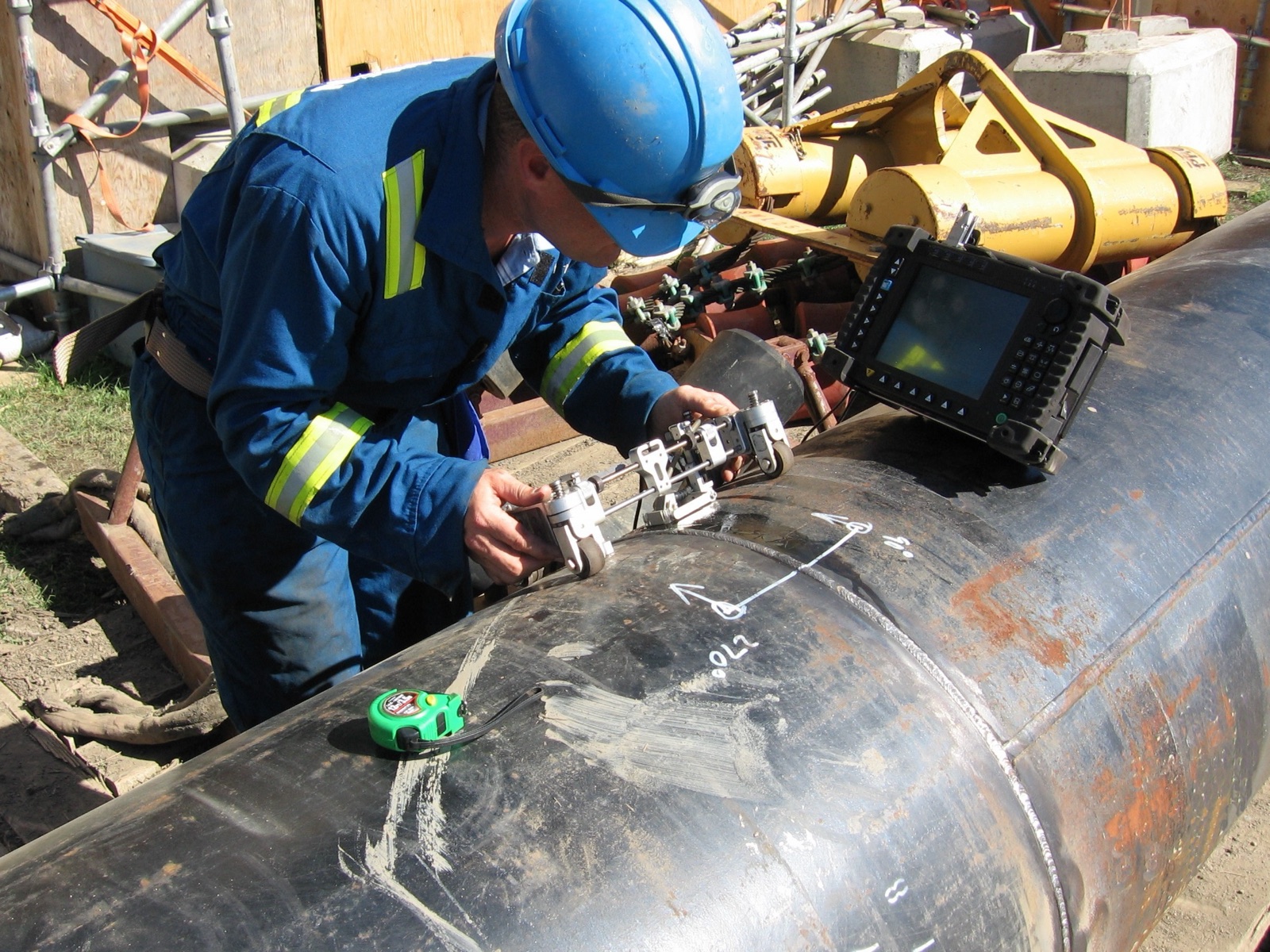
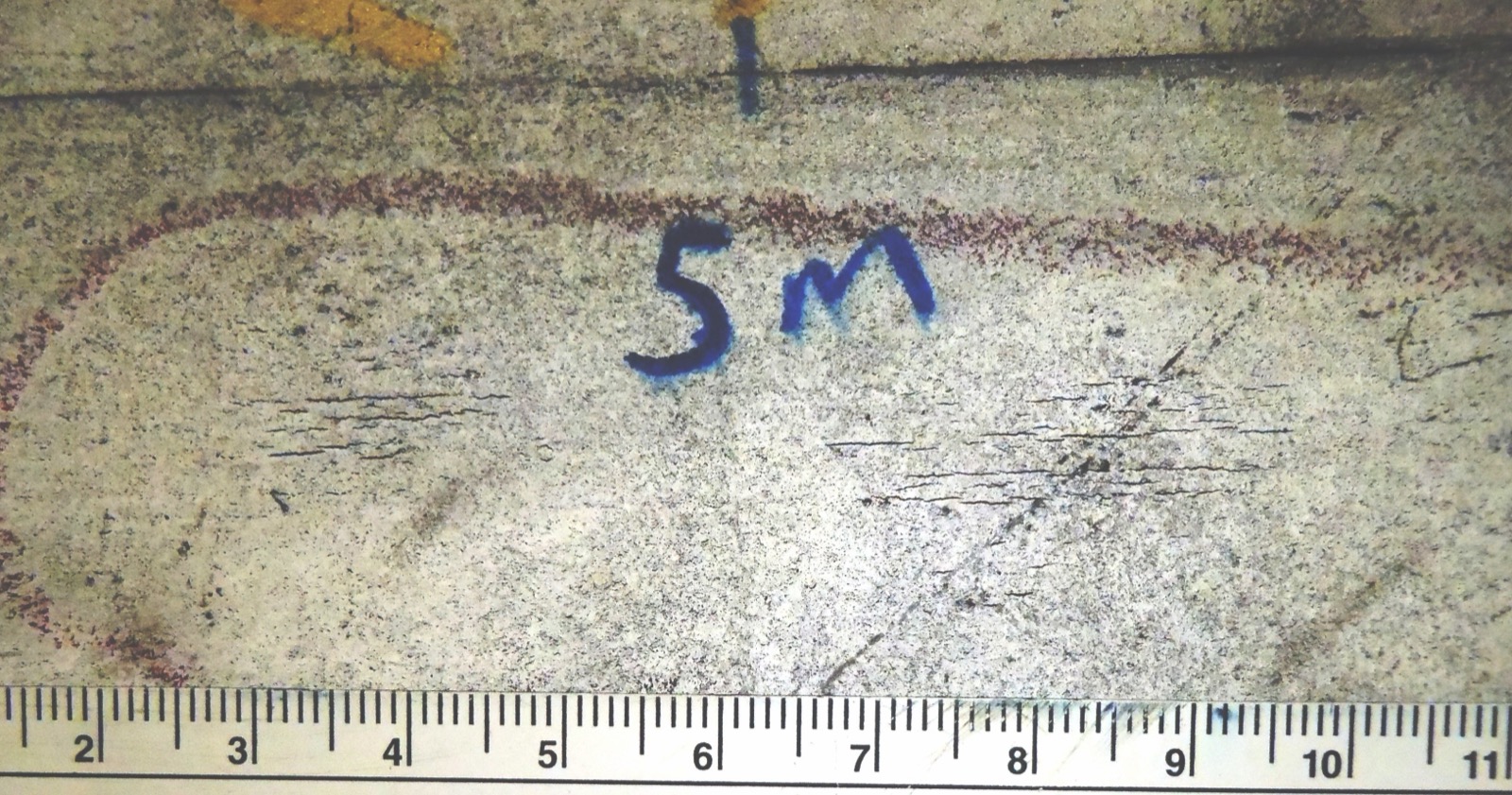
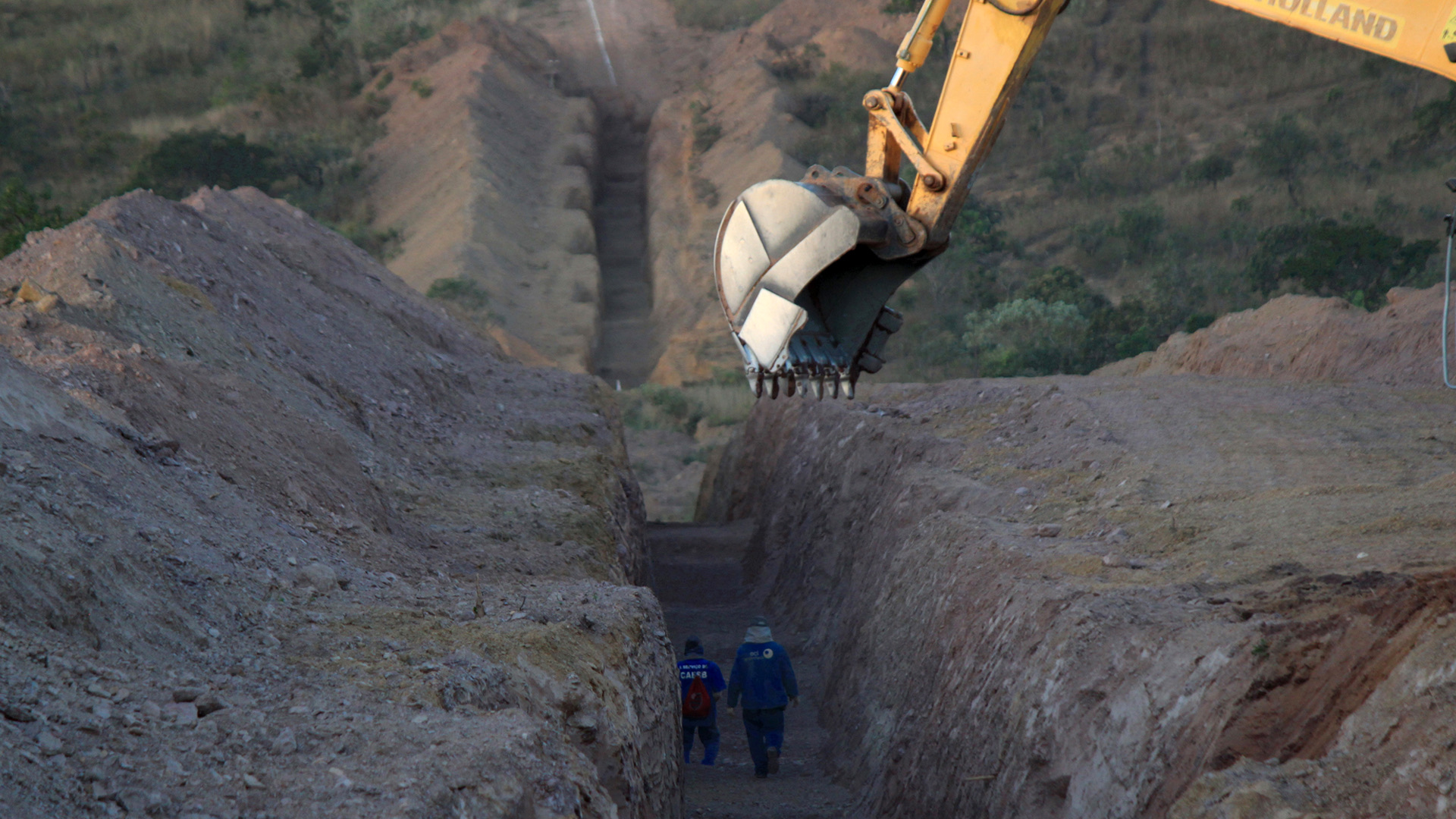
A relationship measured in construction seasons rather than projects. Year after year the same gas transmission operator kept its in-line inspection dig program here - trusted with the standing engineering judgement behind every dig rather than re-bidding it each season - and where the work needed a tool that did not exist, one was built: a proprietary GIS dig-management application, self-initiated from a recognized gap, that carried the program’s NDE data, repair selection, and pipe-sample chain of custody and was taken up at the enterprise level. A long-term partner that left the operator better equipped than it found them.
Case study · 2011-2023
A major North American liquids and gas transmission operator
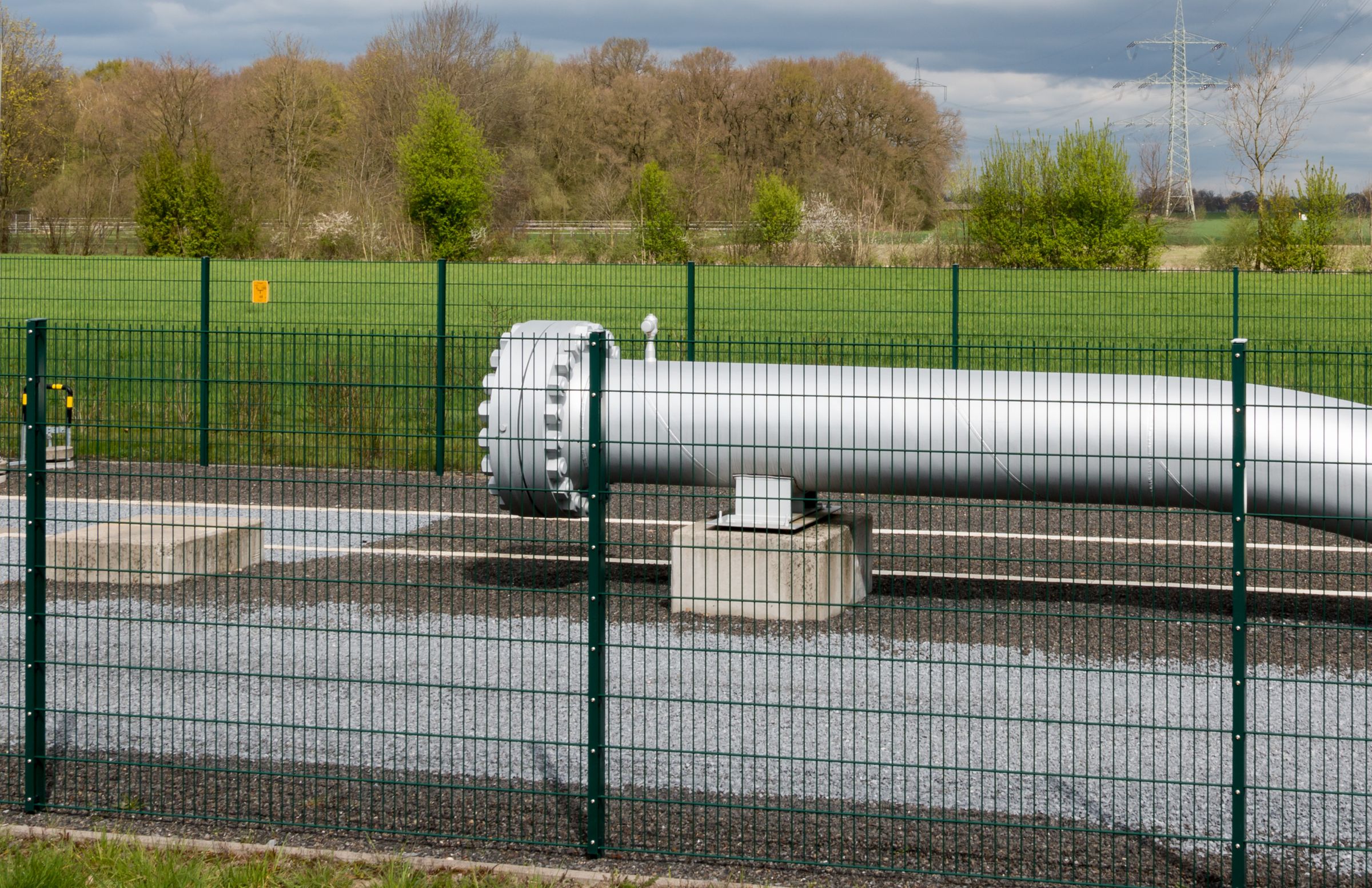
Twelve years with one operator, and the remit widened the whole way. It began at the pipe, with close-interval survey programs, and grew into responsibility for an entire corrosion control region's cathodic protection data, recoat dig programs across four states, and an atmospheric inspection process the organization adopted everywhere. The leak detection work went further still: a permanent field simulator, built because nothing available could prove a fiber-optic detection system worked in operation. It did - and the operator sponsored a second generation of it, carried through every design gate to a stamped package. The trust grew faster than the scope.
Case study · 2020-2025
A crude gathering and transmission operator
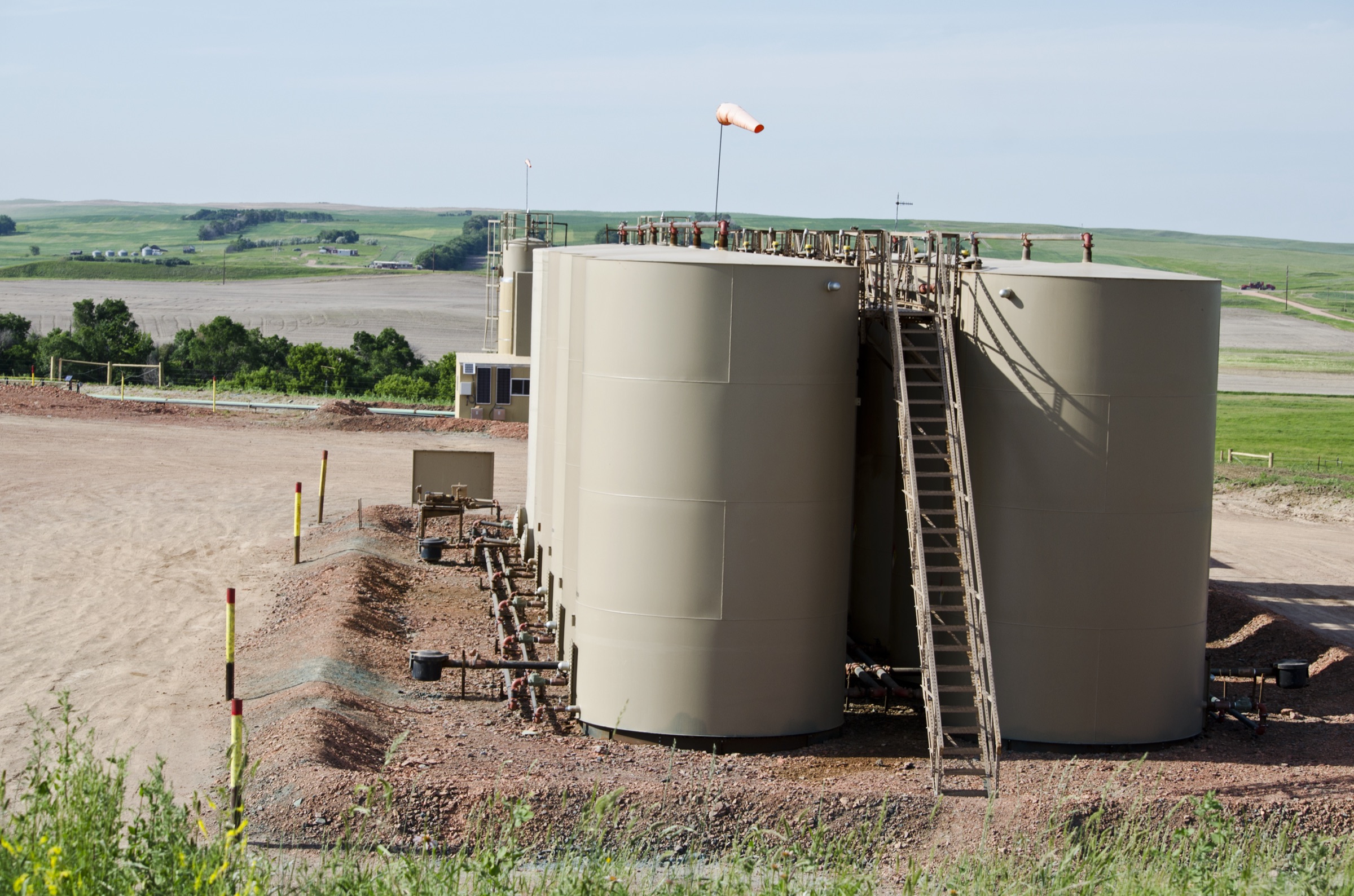
Following several leaks on unregulated pipelines and the discovery of the first could-affect HCA segment, the engagement began. After an initiative to implement a 49 CFR Part 195.452 compliant integrity management plan, the engagement turned into ongoing IMP program governance with responsible charge to maintain compliance. In the years following, a system-wide ILI program was conducted, annual risk assessments were completed, HCA analysis and GIS data management kept current, and eventually the program was successfully integrated into the established program of a larger operator who acquired this pipeline system.
2019 · 2024-2025
Acquisition due diligence
Fifteen years of technical pipeline integrity, operations, design, and construction experience, paired with a keen business acumen and education, put the firm and its principal engineer in a unique position to investigate and value due diligence for pipeline system acquisitions. The insight to read between the lines of integrity and maintenance records and convert them into properly valued representation-and-warranty claims puts any buyer or seller in a strong position.
2024-2025 · A confidential client
2019 · A confidential client

References
On the record
Matt is very passionate about the work he does and has always been a reliable resource. He is very knowledgeable of the pipeline industry and is always looking for areas of improvement. He has been a great Manager of people and I appreciate all of his support in Project Managing Pipeline Integrity projects.
Matt audited our 195 IMP and laid out a clear corrective action plan to be compliant.
Matt implemented a risk assessment framework to transition us from a prescriptive to a risk-based Integrity Management Plan.
Matt conducted a detailed impact study of our new HCA/MCA/Class location analysis, ultimately helping us rule out a 192.632 Engineering Critical Assessment.
Attributed by title only. Further references are available on request, with each reference's renewed consent, once an engagement conversation is underway.
Publications and speaking
Contributed to the industry, on the record
Attribution and ethics
How this package is written
A professional engineer's experience claims are governed claims. This package is written to the standards below, in full, and a reader is invited to hold it to them.
- All prior work is personal history, not firm history. Every engagement above was performed by Matthew Brown, PE as an employee of Lake Superior Consulting (2011-2020) or Tetra Tech (2020-2026). Baseline Integrity Engineering was established in 2026 and has served none of the organizations above. No organization named or described above is a client of this practice, and nothing above claims otherwise.
- Roles are stated as held. Where this package says led, managed, or in responsible charge, that is the documented role at the time, no larger. Engineering is team work: every engagement above involved colleagues, field crews, and client staff whose contributions this package does not claim.
- No client is named. Every organization above is described by sector and role only; none is identified, whether or not a public record or the organization's own approval would permit naming it. No confidential system detail, finding, or commercial term is disclosed for any engagement.
- References are attributed by title only. Each quotation on the references sheet is an approved statement, reproduced in the author's own words and attributed by their title and sector alone - no person and no organization is named. Their appearance records past work; it does not imply any present relationship with this practice.
- No prior employer's work product appears here. Reports, drawings, photographs, and deliverables produced in prior employment are the property of those employers and their clients. This package describes outcomes; it reproduces nothing.
- Numbers come from personal records. Hours, counts, and mileage figures derive from Matthew Brown, PE's own contemporaneous time records and from published regulatory documents, stated with their basis and not rounded upward.
- The governing standards. This package is written to the NSPE Code of Ethics (sections II.3.a, II.5.a and III.3.a on truthfulness, qualifications and prior-assignment responsibility) and the Minnesota Rules of Professional Conduct for licensees (Minn. R. ch. 1805).
- Corrections. If any organization named or described above believes any statement here is inaccurate or should not appear, write to contact@baselineintegrity.com and it will be addressed directly by the principal.
Contact
Talk to the engineer behind the record.
Bring the problem in whatever shape it is in - a finding, a letter, a doubt about the data. Scoping it costs nothing.
contact@baselineintegrity.com