Solutions · Station 1
You operate the system.
You have to demonstrate compliance.
We help you do that.
| 01 | Cover |
| 02 | The problem and solution |
| 03 | Pipeline safety compliance |
| 04 | Integrity management program governance |
| 05 | In-line inspection |
| 06 | The plan |
| 07 | Contact |
The problem
The problems this practice exists for
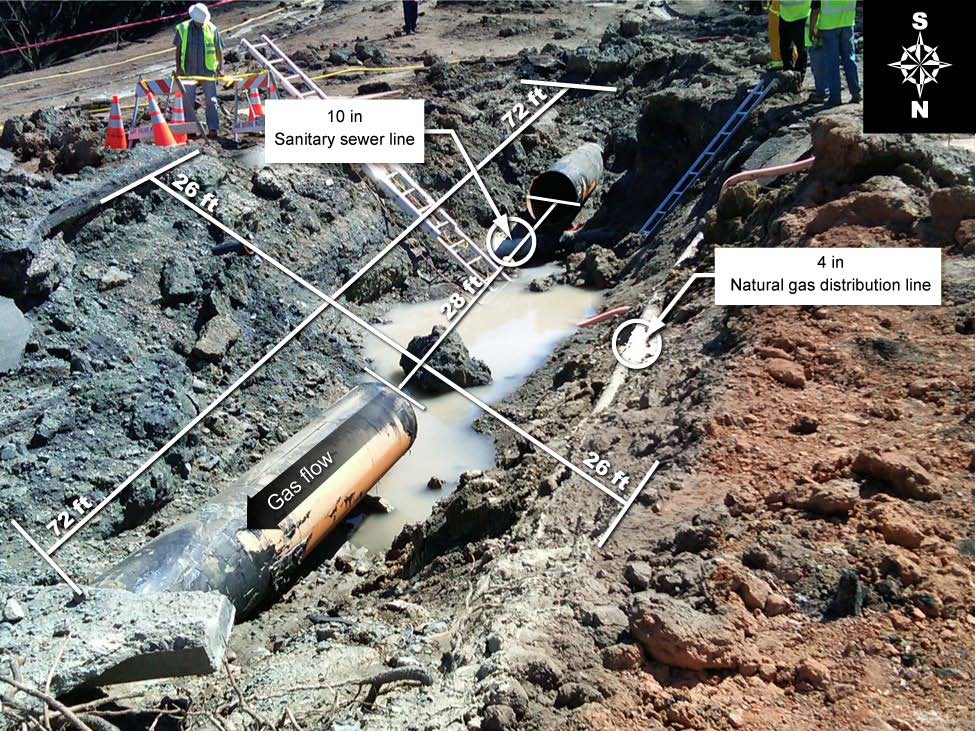
An inspection on the calendar. Work has drifted from the procedures. Records must prove the written program. These are your problems to own. They are the problems this practice exists to walk you through.
The guide on that path: Matthew Brown, PE, principal engineer - fifteen years inside integrity programs for more than 30 pipeline operators, now working yours. The record is on the Qualifications page; the path forward is these three.
| Sheet 03 | Pipeline Safety Compliance | 49 CFR 192.1 · 49 CFR 195.1 |
| Sheet 04 | Integrity Management Program Governance | 49 CFR 192.911 · 49 CFR 195.452 · 49 CFR 192.947 |
| Sheet 05 | In-Line Inspection | 49 CFR 192.921 · 49 CFR 192.937 · 49 CFR 192.710 · 49 CFR 195.416 · 49 CFR 195.452 · 49 CFR 195.120 |
Part 192 · Part 195
Pipeline Safety Compliance
Which sections apply to your system, what changed this year, and what do you have to be able to show?
The rule read against your particular system, tracked as it changes, worked in the KONDWIT platform so the answer stays current.
Most compliance questions are not about what a section means. They are about which sections apply to this system, in this configuration and location, and what you must be able to show as a result.
The practice answers them against the published text in the KONDWIT pipeline-safety platform - it is the exclusive service provider for KONDWIT, Inc., a separate legal entity - so the reading tracks the current rule, not an aging binder.
The KONDWIT modules, as services
Regulatory research
The CFR text itself, the PHMSA document record - interpretations, special permits and the like - and PHMSA enforcement cases.
Audits and procedures
The audit protocols and the operator procedures measured against them, worked in one place.
Rulemaking
How a rule came to read the way it does: NPRMs and their preambles, NTSB investigations, acts of Congress, and court cases.
Corporate positions
The deliverables of a compliance team: interpretations (opinions), rulemaking impact assessments, and audit and inspection findings responses.
| Citation | Section heading, as published |
|---|---|
| 49 CFR 192.1 | What is the scope of this part? |
| 49 CFR 195.1 | Which pipelines are covered by this Part? |
KONDWIT - Enterprise SaaS pipeline safety compliance platform. Baseline Integrity Engineering is its exclusive service provider; KONDWIT, Inc. is a separate legal entity, and engineering services are provided under Baseline's own written agreements.
Part 192 · Part 195
Integrity Management Program Governance
Your written program and your actual practice have drifted apart, and an inspection will read the gap.
The written program owned as a living document - drafted, revised, and reconciled with your procedures and records, kept ready to be read by a regulator.
Both integrity management rules expect the program to develop as you learn more about your system. The work is keeping what the program says and what you do the same description of the same system.
And the audit posture behind it: an audit runs procedure-then-record, so records are organized to be produced in a click, not a search. A prepared operator finishes a five-day audit in three and closes in the room.
The finer points of an integrity management program are where governance actually lives: management of change, information analysis and risk assessment, preventative and mitigative measure analysis, jurisdictional applicability analysis, and continuous improvement - each carried as its own discipline, year over year.
And the practice guides you through all of it. As the multi-year engagement case studies on the qualifications page show, it has the experience and expertise to analyze, document, iterate, and maintain program-level governance in responsible charge - a long-term partner keeping the program compliant as the system grows.
| Citation | Section heading, as published |
|---|---|
| 49 CFR 192.911 | What are the elements of an integrity management program? |
| 49 CFR 195.452 | Pipeline integrity management in high consequence areas. |
| 49 CFR 192.947 | What records must an operator keep? |
The improvement cycle
Part 192 · Part 195
In-Line Inspection
You need an assessment matched to the threats your segment actually faces, and a result that holds up. In-line inspection, run end to end.
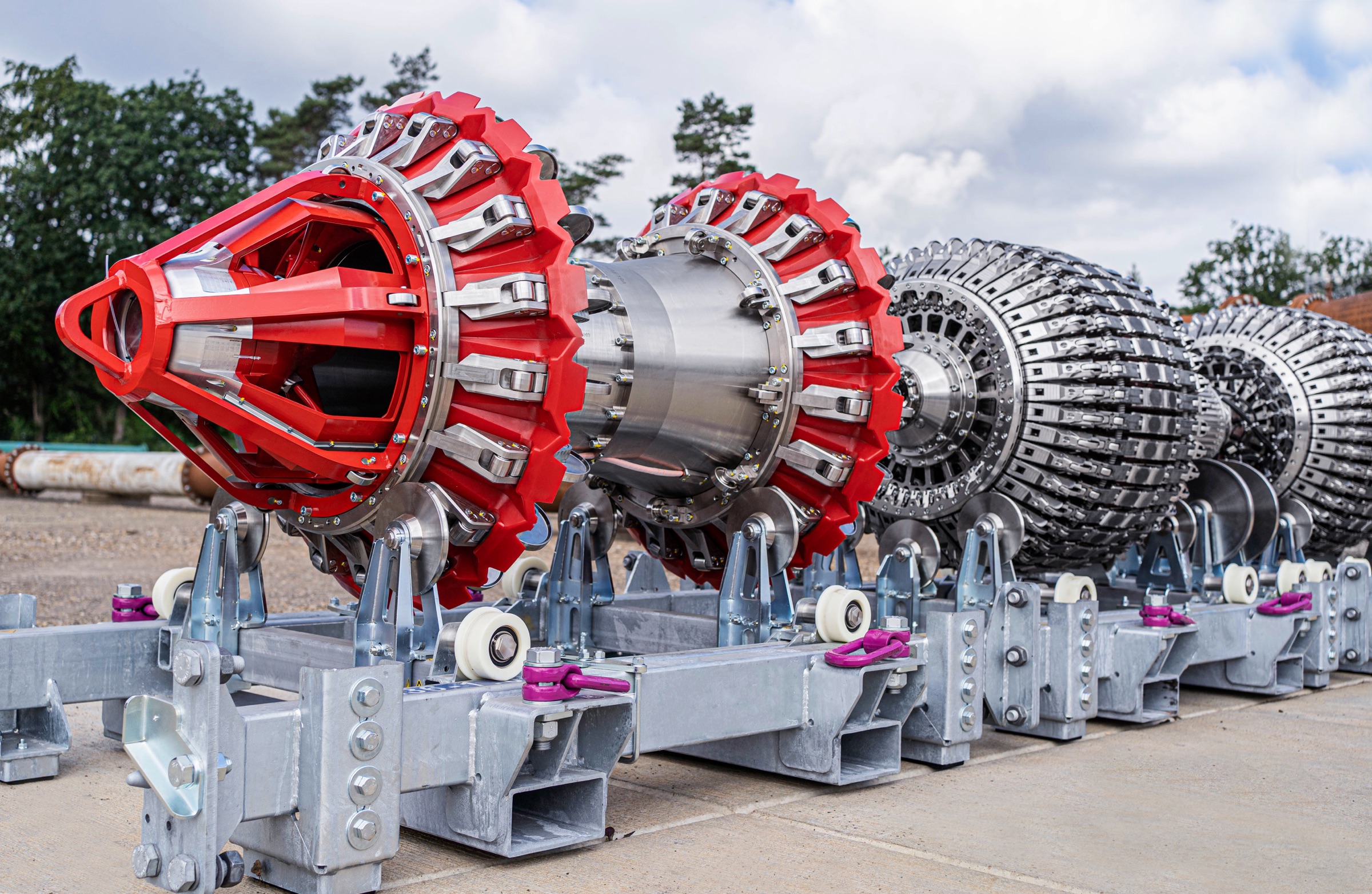
A full-service in-line inspection management suite: assessment planning, ILI tool technology and vendor selection against identified threats, run oversight and data-quality acceptance, dig program support, repair selection and sign-off, and the engineering read of what the tool returns and how it applies to your system, operations, and risk profile.
Threat identification and tool selection are one decision, not two: if a threat is not identified, the tool selected cannot detect it. A threat evaluation where everything scores low and nothing has been revised in years was never really worked - a real process is messy, and cleanliness is the red flag.
From the assessment plan and the case for the tools chosen, through run oversight and data-quality acceptance, to the dig program and the reassessment intervals the results support, the practice carries the full in-line inspection cycle and stands behind the read.
| Citation | Section heading, as published |
|---|---|
| 49 CFR 192.921 | How is the baseline assessment to be conducted? |
| 49 CFR 192.937 | What is a continual process of evaluation and assessment? |
| 49 CFR 192.710 | Transmission lines: Assessments outside of high consequence areas. |
| 49 CFR 195.416 | Pipeline assessments. |
| 49 CFR 195.452 | Pipeline integrity management in high consequence areas. |
| 49 CFR 195.120 | Passage of internal inspection devices. |
The plan
Three steps, no intake queue
- Start a conversation. Describe the problem in whatever form you have it. A scoping conversation costs nothing.
- Get a scope from the engineer who will lead the work. What the engagement covers, what it produces, and what it needs from you - in writing.
- The principal leads the work. Scoped by him, delivered under his direction, in his responsible charge - and a deliverable you can put in front of a regulator.
What is at stake is what an operator can demonstrate: get it right and an evaluation closes clean; let it drift and the record reads like the gap it is.
Contact
Start the conversation.
contact@baselineintegrity.comThese citations are a reference, not advice. Section headings are quoted as published in 49 CFR. Nothing on this site is a professional engineering opinion, and no page here tells you what a section requires of your system - that is what an engagement is for.